It is easy to file Zigong (自贡) under “history and festivals,” but that misses something important: it is, at heart, an industrial city. The instinct that drove its salt workers to drill a kilometre into the earth with bamboo and muscle never left — it only changed form, folding itself into the workshops, factories, and export trade of today.
From boring wells to engineering
Zigong’s earliest contribution to world technology was deep percussion drilling (顿钻). Centuries before the petroleum industry existed, local crews sank boreholes hundreds of metres deep on bamboo cables, cased them with bamboo, and even fished broken tools back up from the bottom; they also learned to harness the natural gas that rose with the brine and burn it as fuel. The method spread outward from here, which is why Zigong is sometimes called the “cradle of the borehole” (钻井摇篮). What matters is not any single invention but a temperament — the habit of solving the problem on the spot.
From salt to chemicals
Salt was never only a seasoning. The brine drawn from the deep wells is itself a chemical feedstock, and around it Zigong grew a salt-chemicals (盐化工) industry — chemistry built on brine and natural gas — the bridge from boiling salt by hand to the modern factory. For a city that had run an “energy-and-chemicals” operation centuries earlier, it was not a long step.
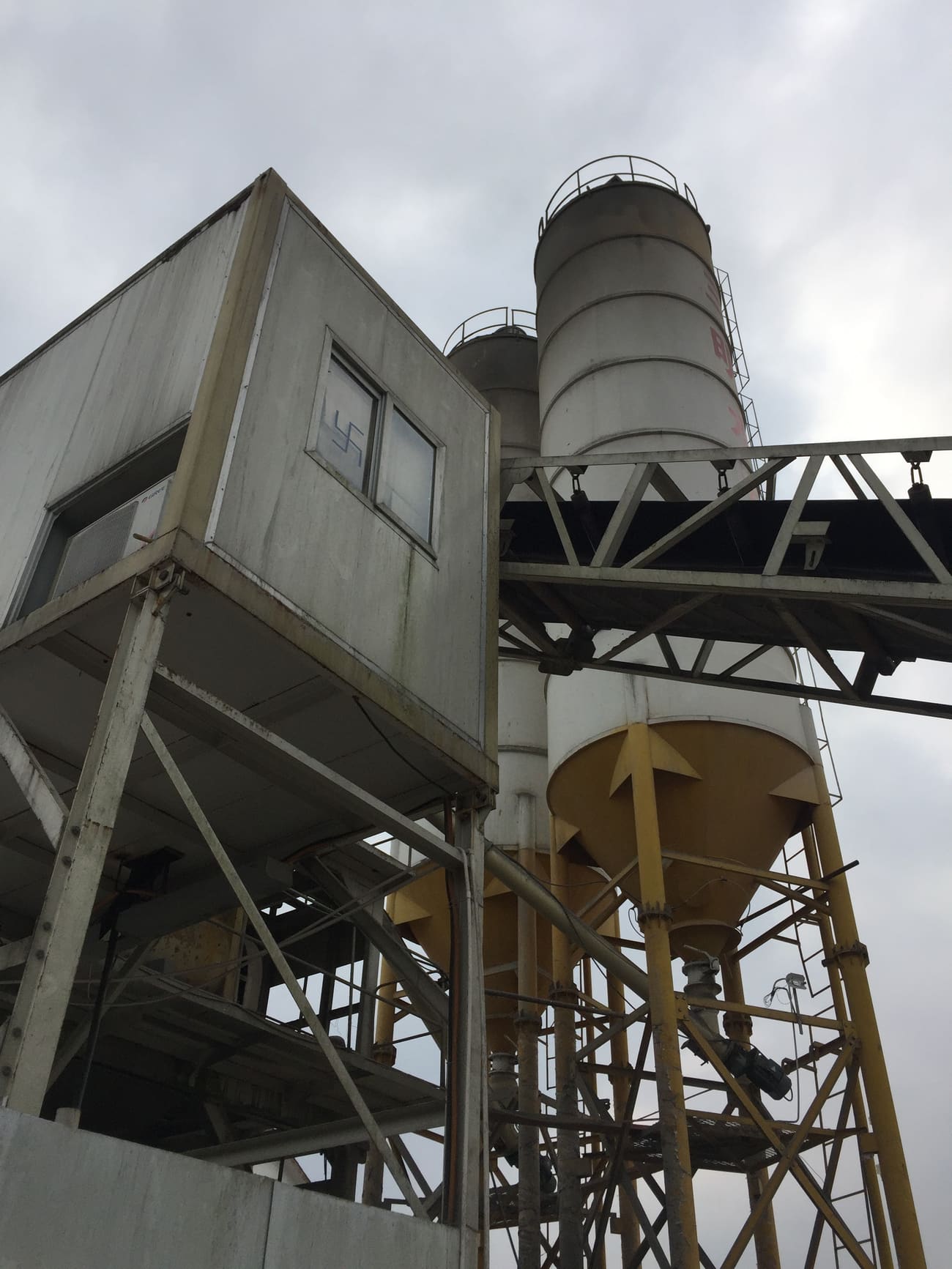
The city of drills, making what tips the drills
Among Zigong’s many modern industries, one is especially striking: it is one of China’s important bases for cemented carbide (硬质合金; tungsten carbide / 碳化钨), home to the founding-era Zigong Cemented Carbide plant (自贡硬质合金厂) and a cluster of alloy firms around it. Cemented carbide is called the “teeth of industry” — hard and wear-resistant, it is the material of drill bits, cutting tools, and mining and oil-and-gas gear. In other words, the city that rose by drilling now manufactures the very alloy that lets the world’s drills bite into rock. The rhyme between salt, drilling, and carbide is almost a long joke the geology has played on the place.
A working town still
Today’s Zigong remains a city of manufacturing and export: salt chemicals, machinery, building materials, a hi-tech zone — and the festival-lantern industry (彩灯) that fuses traditional craft with steel framing, motors, and logistics to sell around the world (see Culture). All of it needs water, power, and infrastructure; the reservoirs and stations rising among the hills are another quiet footnote to an industrial city.
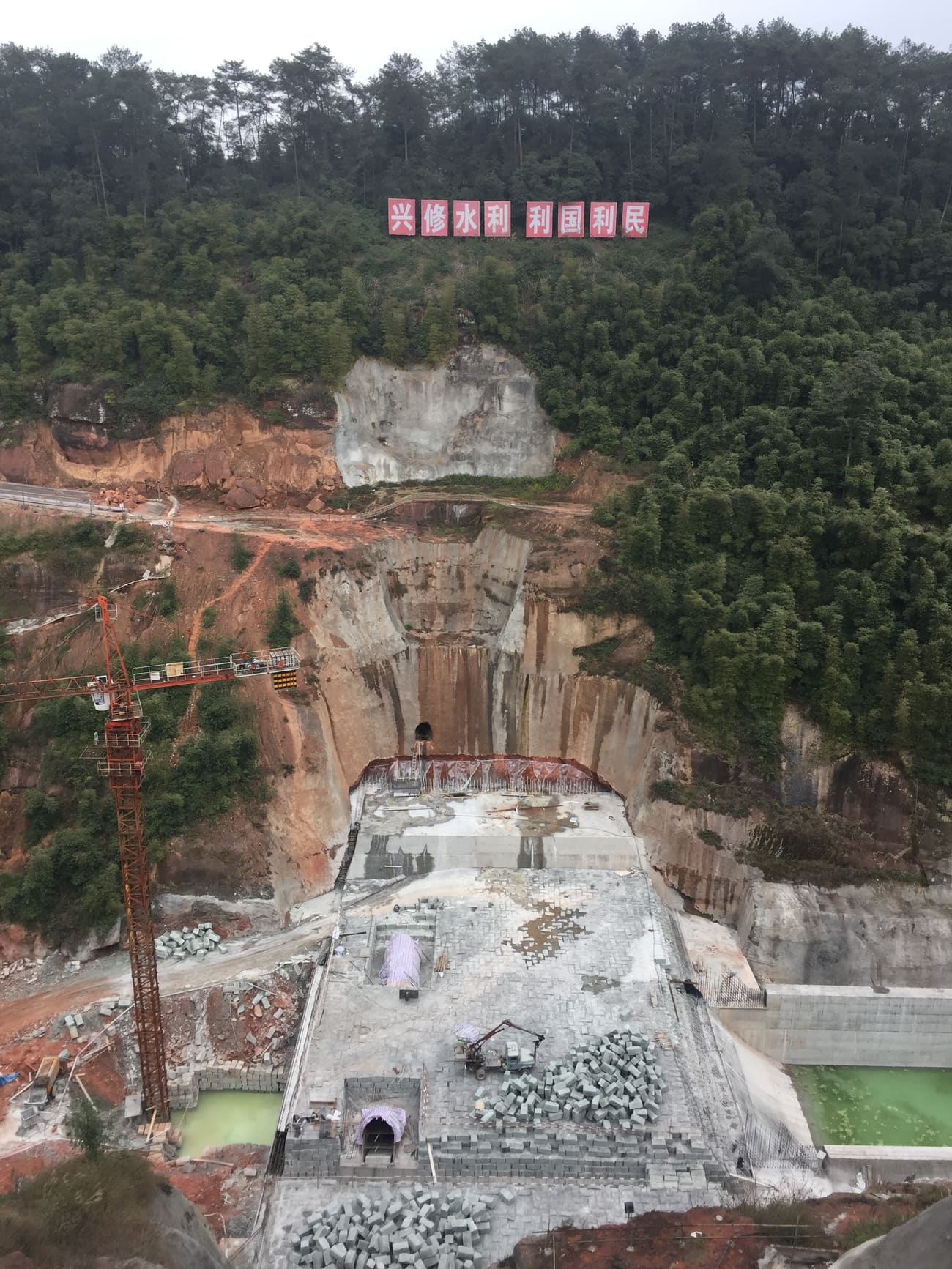
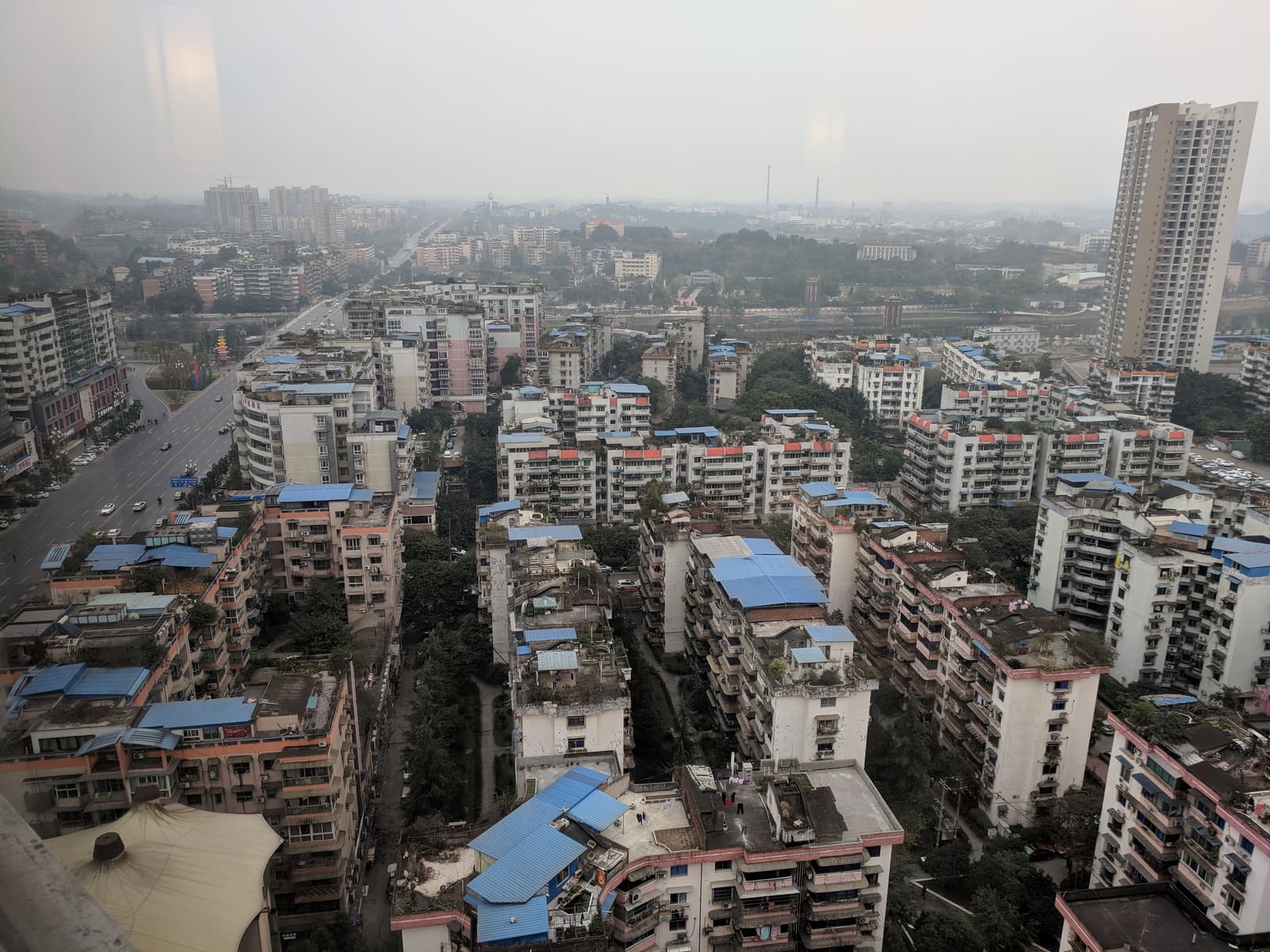
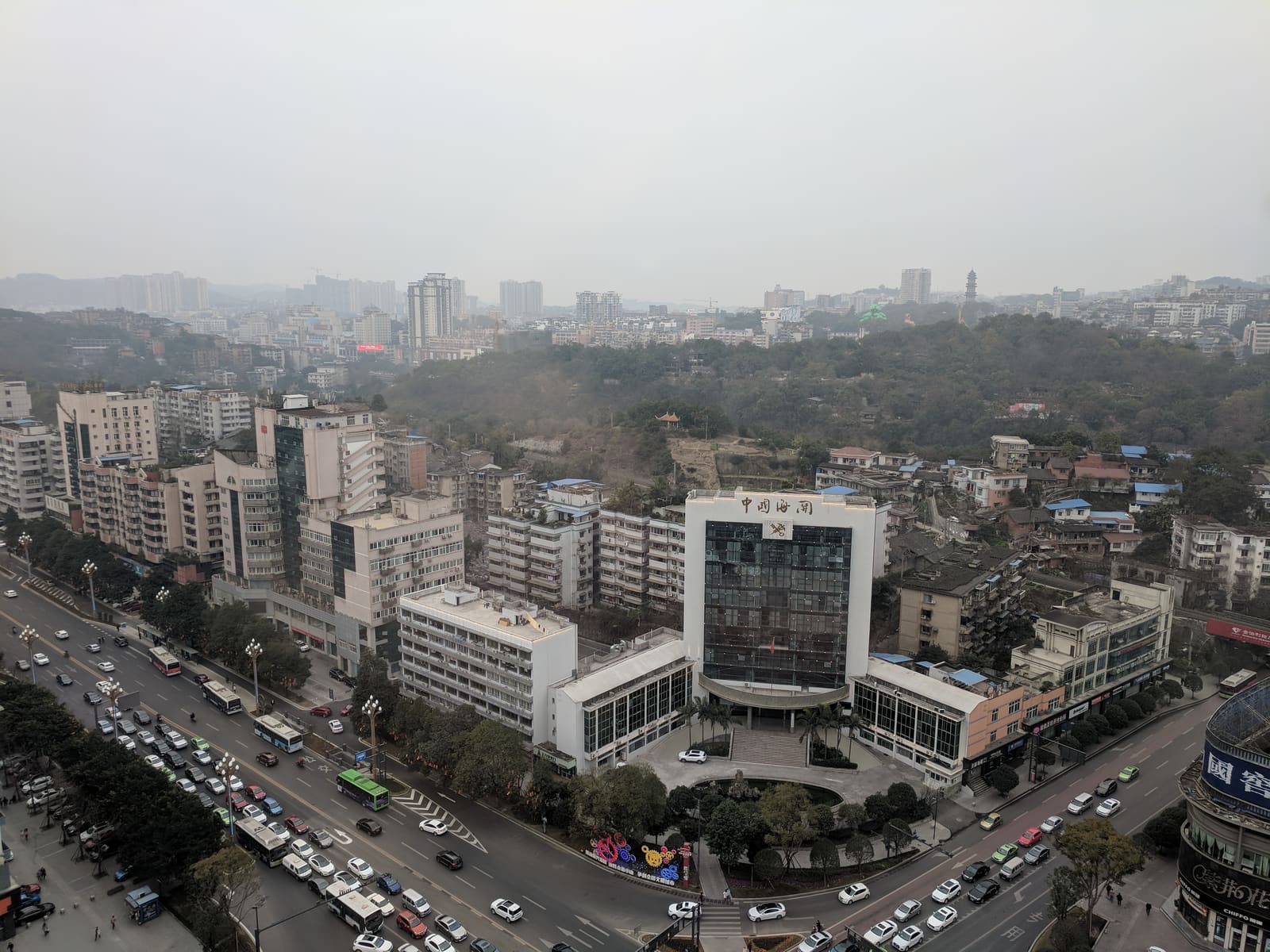
From a bamboo drill bit in 1835 to cemented carbide and LED dinosaurs crated for export today, Zigong’s story is one long demonstration of practical, hands-on making, in a place few outsiders would think to look for it. Salt, gas, carbide, lanterns — in the end they are variations on a single habit: working out how to build the thing yourself.